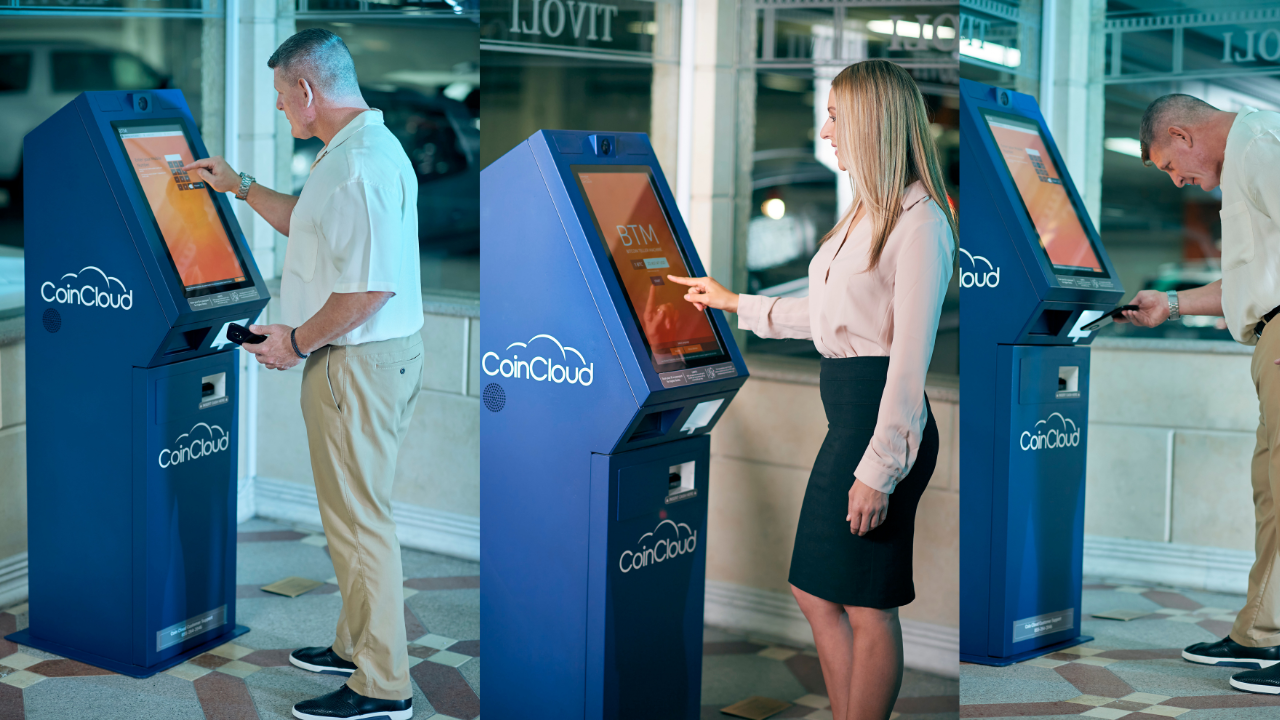
The Machine That Brings Bitcoin to Main Street
What exactly is a crypto ATM?
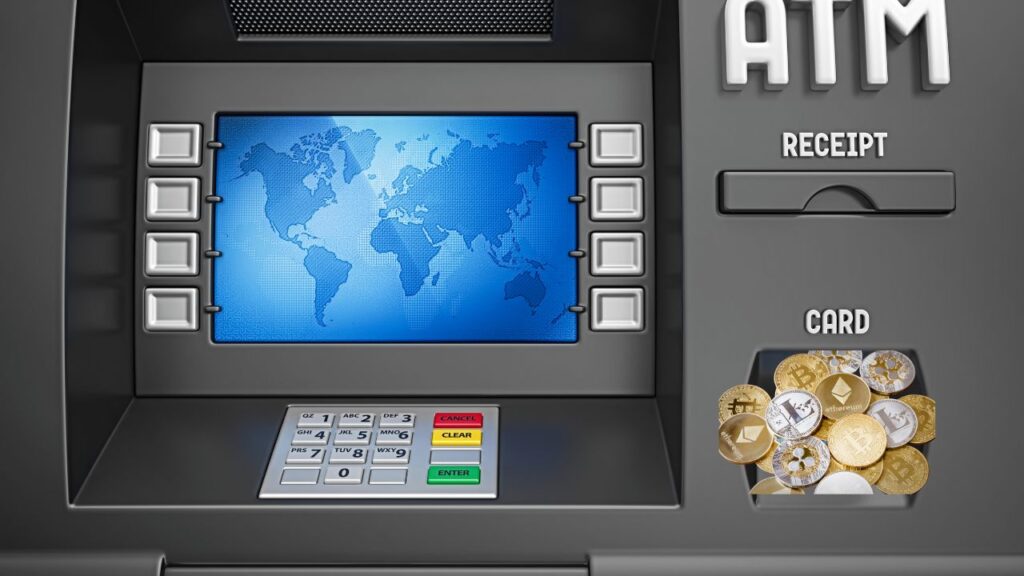
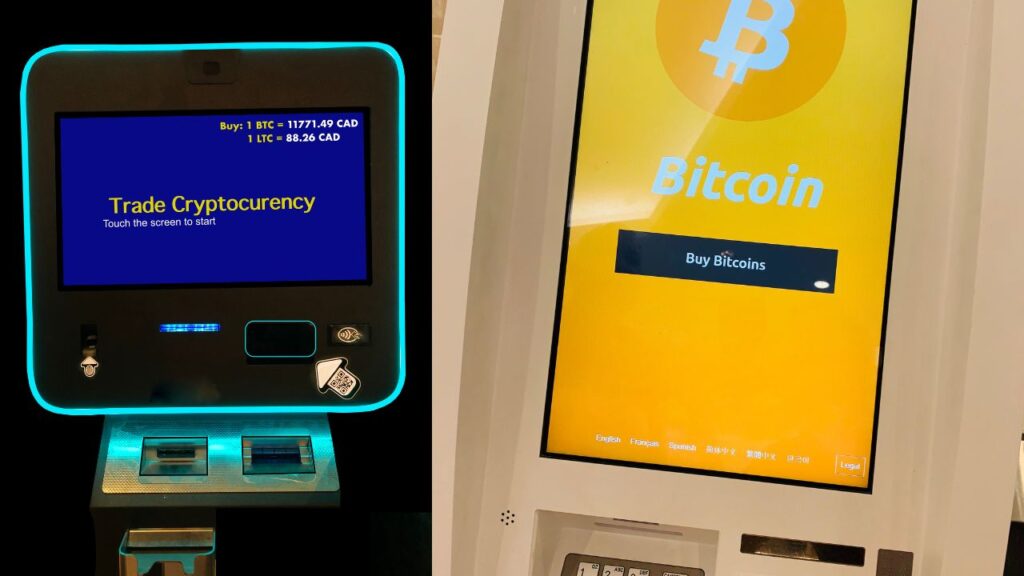
Think of a crypto ATM the same way you think of a regular ATM — except instead of spitting out cash, it hands you digital coins. You walk up, feed in your dollars (or euros, or pounds), and it sends Bitcoin, Ethereum, or other cryptocurrencies directly to your digital wallet.
It is a physical kiosk, often standing in gas stations, grocery stores, and airport lobbies. The machine looks familiar. The technology behind it is anything but old news.
The world’s first crypto ATM went live in Vancouver, Canada in October 2013. One customer traded CAD 100 for Bitcoin in front of a small crowd — and the world quietly changed that day.
📈 How big is the industry right now?
Global machines
38,000+
Countries active
75+
Avg. transaction fee
8–20%
Top country
United States
The United States alone holds roughly 80% of all crypto ATMs on earth. You can find one within a short drive of almost any major city. The number doubled between 2020 and 2023, fueled by everyday curiosity — not just tech enthusiasts.
⚡ How does it actually work? Step by step.
Find a nearby machine
Use CoinATMRadar.com or the operator’s app. Filter by coin type and fee before you walk out the door.
Verify your identity (KYC)
Smaller amounts (under $500–$1000) often only need a phone number. Larger amounts require a government-issued photo ID scan.
Scan your wallet QR code
Open your mobile wallet app (Coinbase, Trust Wallet, MetaMask) and show the QR code to the machine’s camera.
Insert cash
Feed in your bills one at a time. The machine shows you the equivalent crypto amount in real time, including the fee.
Confirm and receive
Hit confirm. Your crypto arrives in your wallet within minutes — sometimes within seconds, depending on network speed.
💡 Who actually uses crypto ATMs?
Picture Maria. She is 55, does not trust online exchanges, and has no interest in setting up a brokerage account. She walks past a crypto ATM at her corner store every Tuesday. One afternoon, her grandson explains Bitcoin. The next Tuesday, she buys $50 worth — cash, quick, no paperwork beyond a phone number.
That is the real story behind these machines. They serve the unbaked, the privacy-conscious, the curious first-timer, and the traveler who needs to move value across borders without a wire transfer fee eating half of it alive.
⚠️ The honest truth about fees and risks
Crypto ATMs charge more than online exchanges — sometimes a lot more. A machine advertising 8% still costs $8 on a $100 purchase. Some machines quietly hide the real cost inside an unfavorable exchange rate rather than a visible fee line.
Scammers frequently instruct victims to send money via crypto ATM. If anyone — a government agent, a tech support caller, a romantic interest online — tells you to pay them through a crypto ATM, it is almost certainly fraud. Stop immediately.
Always compare the machine’s offered rate to the live market price on Coin Gecko or CoinMarketCap before inserting a single bill. The difference tells you the real cost.
🔑 Tips to use one smartly
Bring your own wallet — never use a paper wallet printed by the machine if you can avoid it. Set up Trust Wallet or a hardware wallet first. Compare fees across nearby machines using CoinATMRadar. Start with a small test transaction. And always save your receipt — it is your paper trail for taxes.
Crypto ATM — frequently asked questions
What is a crypto ATM and how does it work?
A crypto ATM is a physical kiosk that lets you buy or sell cryptocurrency using cash. You walk up, verify your identity with a phone number or ID, scan your digital wallet’s QR code, insert cash, and the machine sends Bitcoin or another coin directly to your wallet. Most transactions complete within minutes. No bank account is needed.
How much does a crypto ATM charge in fees?
Crypto ATM fees typically range from 8% to 20% per transaction. Some operators add a hidden markup inside the exchange rate on top of the visible fee. Before inserting any cash, always compare the machine’s offered price against the live market price on Coin Gecko or CoinMarketCap. The difference reveals the real cost you are paying.
Do you need an ID to use a crypto ATM?
It depends on the amount. Most crypto ATMs in the United States require only a phone number for small purchases under $500 to $1,000. For larger amounts, KYC (Know Your Customer) rules kick in and you will need to scan a government-issued photo ID. Some operators set even lower thresholds depending on their compliance program.
Where can I find a crypto ATM near me?
The easiest way is to visit CoinATMRadar.com, which tracks over 38,000 machines worldwide. You can filter by cryptocurrency type, operator, and fee level before you leave home. Machines are most commonly found in gas stations, convenience stores, grocery stores, and airport lobbies. The United States has the highest concentration globally.
Which cryptocurrencies can you buy at a crypto ATM?
Bitcoin (BTC) is available at nearly every crypto ATM on earth. Ethereum (ETH), Litecoin (LTC), and Bitcoin Cash (BCH) are supported by most mid-range operators. A growing number of machines also offer Dogecoin, Tether (USDT), and Cardano. The coin selection depends entirely on the operator running the machine, so always check before you go.
Is it safe to use a crypto ATM?
Using a legitimate, licensed crypto ATM is generally safe. However, scammers frequently instruct victims to pay them via crypto ATM — impersonating government agents, tech support, or romantic partners. If anyone ever tells you to pay a debt or fee through a crypto ATM, it is almost certainly fraud. Always use your own personal wallet rather than a machine-printed paper wallet, and save your receipt for tax records.
How long does a crypto ATM transaction take?
The machine itself processes your transaction in under three minutes from start to finish. However, the actual arrival of coins in your wallet depends on the blockchain network. Bitcoin typically takes 10 to 30 minutes for a confirmed transaction. Litecoin and some other coins settle faster. Operators that send transactions with higher network fees will see faster confirmation times.
Do I need a crypto wallet before using a crypto ATM?
Yes. You need a digital wallet with a receiving address before you use the machine. Free options like Trust Wallet, Coinbase Wallet, or MetaMask take less than five minutes to set up on your phone. Some machines print a paper wallet for first-time users, but this is riskier — a paper wallet can be lost or physically stolen. Setting up your own wallet before you arrive is always the smarter choice.
Conclusion
Crypto ATMs are not a trend. They are a quiet revolution happening in the corners of everyday life — in the gas station on the edge of town, in the airport terminal between two flights, in the grocery store where a grandmother picks up milk and, for the first time, buys Bitcoin with the change in her pocket.
For years, digital currency felt like something only tech people could access. You needed an account, a verified ID, a linked bank card, and enough patience to wade through confusing apps. Crypto ATMs removed every single one of those walls.
“The machine that matters most is not the one with the most features. It is the one that anyone can walk up to — no expertise required, no bank account needed, no fear of doing it wrong.”
Yes, the fees are higher than online exchanges. Yes, you need to watch out for scams. And yes, you should always bring your own wallet. But for millions of people around the world — the unbanked, the underserved, the curious — a crypto ATM is not just convenient. It is the only on-ramp that ever made sense for them.
The number of machines keeps growing. Regulations are tightening in good ways — pushing out bad actors and building real consumer trust. The technology behind these kiosks is getting faster, cheaper, and more private. What started as a novelty in a Vancouver coffee shop in 2013 has become a global financial infrastructure.
Authority references
CoinATMRadar.com — live global ATM map & fee comparison
CoinDesk — industry news and regulation updates
CoinGecko — live crypto prices to compare ATM rates
Leave a Reply